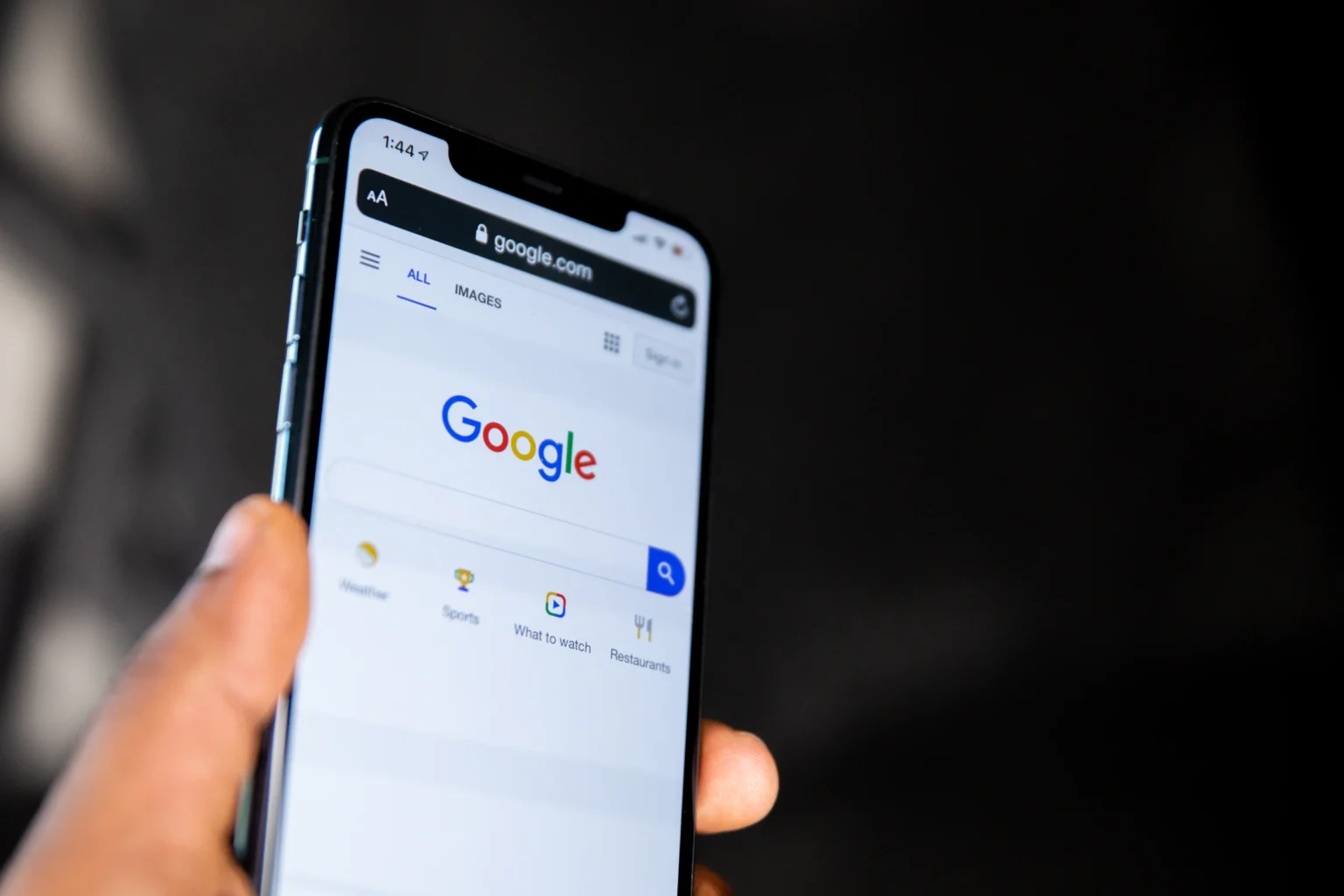
Local SEO is how a service business gets into Google's map results in the towns it actually works in. Google ranks local results on relevance, distance and prominence, and distance changes every time the searcher is in a different suburb. These pages cover the areas I work in, starting with Texas.
Each state page lists the cities I have pages for and what is different about ranking there. More states will follow as I take on work in them.
Dallas, Fort Worth and seven DFW suburbs, plus how the map pack and Local Services Ads behave in North Texas.
Local SEO in TexasNo state page yet, same setup and same prices. The service page explains how I run local SEO anywhere in the US.
Local SEO for service businessesIf your current site can't hold city and service pages, start there. The web design pages are split by location the same way.
Web design by locationGoogle names three factors for local results. One of them moves every time the customer is in a different place.
Google describes it as how well a profile matches what someone is searching for. Your categories, your service list and a page per service are all in your control.
How far you are from the person searching. A roofer based in Garland is close to Garland searches and far from Frisco ones, whatever the profile says.
How well-known the business is, from reviews, links and mentions around the web. It builds slowly, so it rewards starting early and keeping at it.
If you drive to your customers, Google treats you as a service area business: your address is hidden and you list the areas you cover instead. Google allows up to 20 of them, wants the whole area within about 2 hours of driving from your base, and since June 2025 no longer accepts whole states. So the list tells Google where you work, and a page for each main city, with real detail about the jobs you do there, gives it something to match when someone in that city searches. That is what city-level relevance means, and it is the part of distance you can work with. The full setup is on local SEO for service businesses.
Sometimes, but it is harder. Distance is one of Google's three local factors, so the map leans toward businesses close to the person searching. What helps further out is listing that town in your service area and having a page about real jobs you have done there. The regular results under the map depend less on distance, so a good city page can show up there even when the map doesn't show you.
Only the ones you actually want jobs in. Google allows up to 20 and asks that the whole area stays within about 2 hours of driving from where you are based. Adding every town in range does not put you in the map in all of them, because distance and relevance still decide that town by town.
Sources: Google Business Profile Help: local ranking · Google Business Profile Help: service areas · PPC Land on the June 2025 service area change. Checked November 2026.
Get in touch
Tell me your trade, where you are based and the areas you cover.